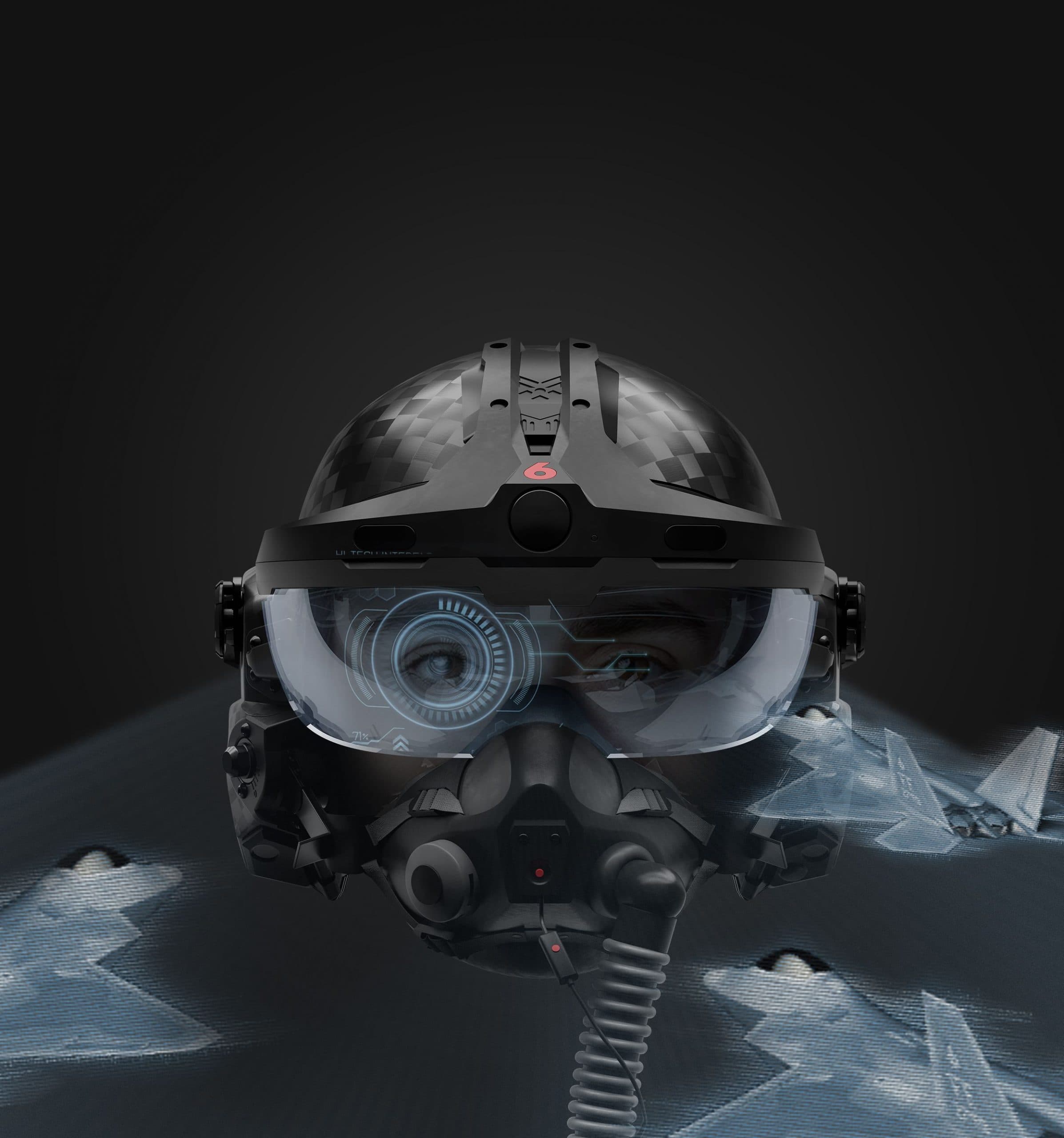
Across two Special Situations positions, the firm has taken positions in the engines that will move next-generation aircraft and the augmented reality that will train the pilots who fly them.
For most of the last decade, the language around defense and aerospace investing in the venture markets was a euphemism: “dual-use,” to gesture at the civilian application that would justify the moral arithmetic of the military one. That euphemism has largely fallen away. The companies are what they are.
Sopris holds two of them in the Special Situations book.
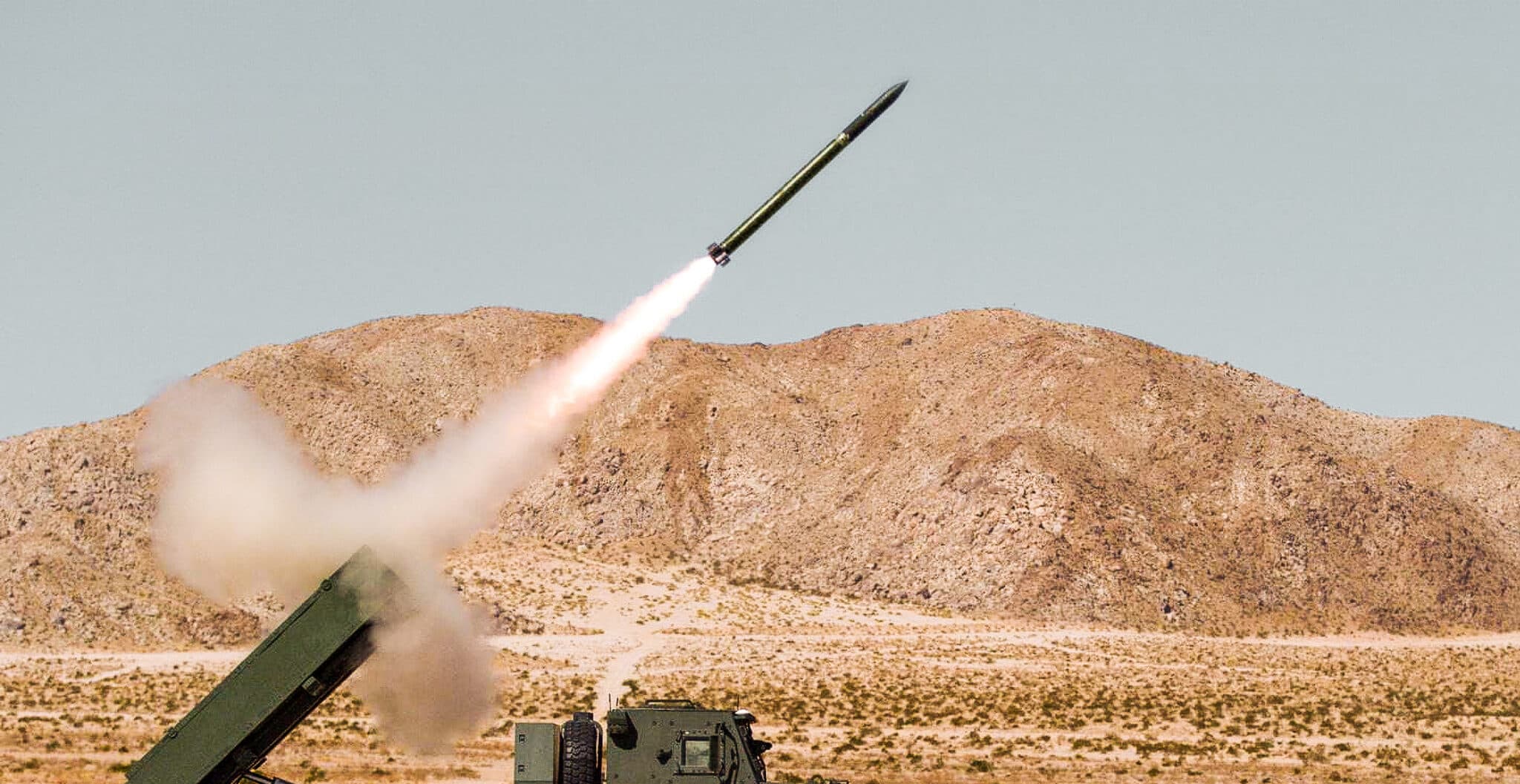
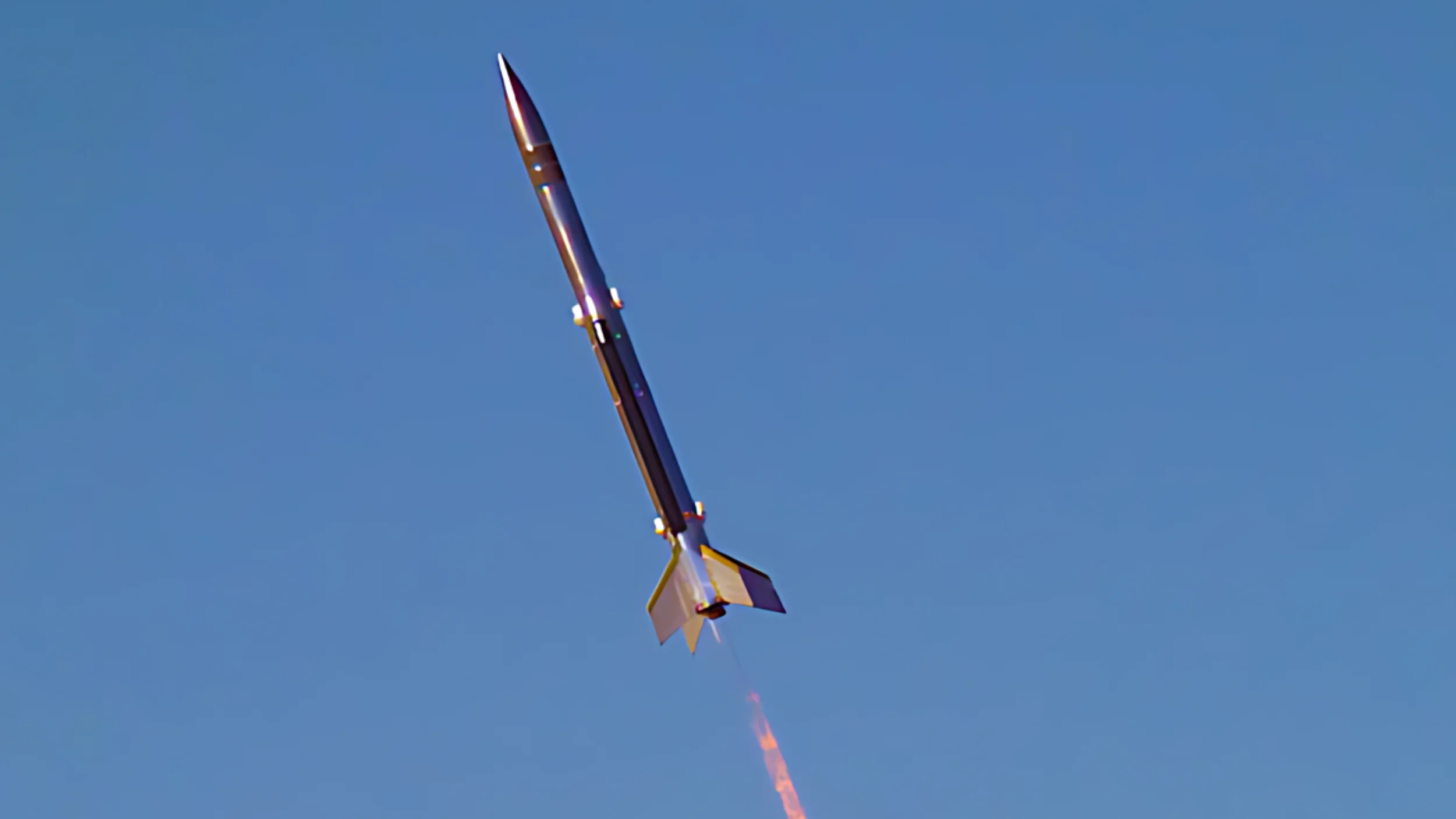
Ursa Major builds liquid rocket engines, designed and manufactured in the United States, intended for the next generation of space launch vehicles and hypersonic systems. The engine is the limiting factor in nearly every part of the modern launch market — the gating constraint behind which everything else queues. Domestic supply of high-thrust, restartable liquid engines has been, for two decades, a small number of suppliers, several of them dependent on imported componentry. Ursa Major is a structural answer to that.
Red Six Aerospace builds an augmented-reality system that allows fighter pilots to train against synthetic adversaries — generated and rendered in real time, visible through the pilot’s helmet, integrated with the actual aircraft in actual flight. The training problem in modern combat aviation is no longer a problem of airframes. It is a problem of cost, range, and access to credible opposition. Red Six is a structural answer to that.
The thread between them is the same thread that runs through the Critical Systems thesis on the Private Equity side: an investment in the substrate. Engines and training are not the visible product. They are the conditions under which the visible product is possible.
The firm holds both positions patiently and does not comment on the operating particulars of either.
Engines and training are not the visible product. They are the conditions under which the visible product is possible.Daniel Wedman