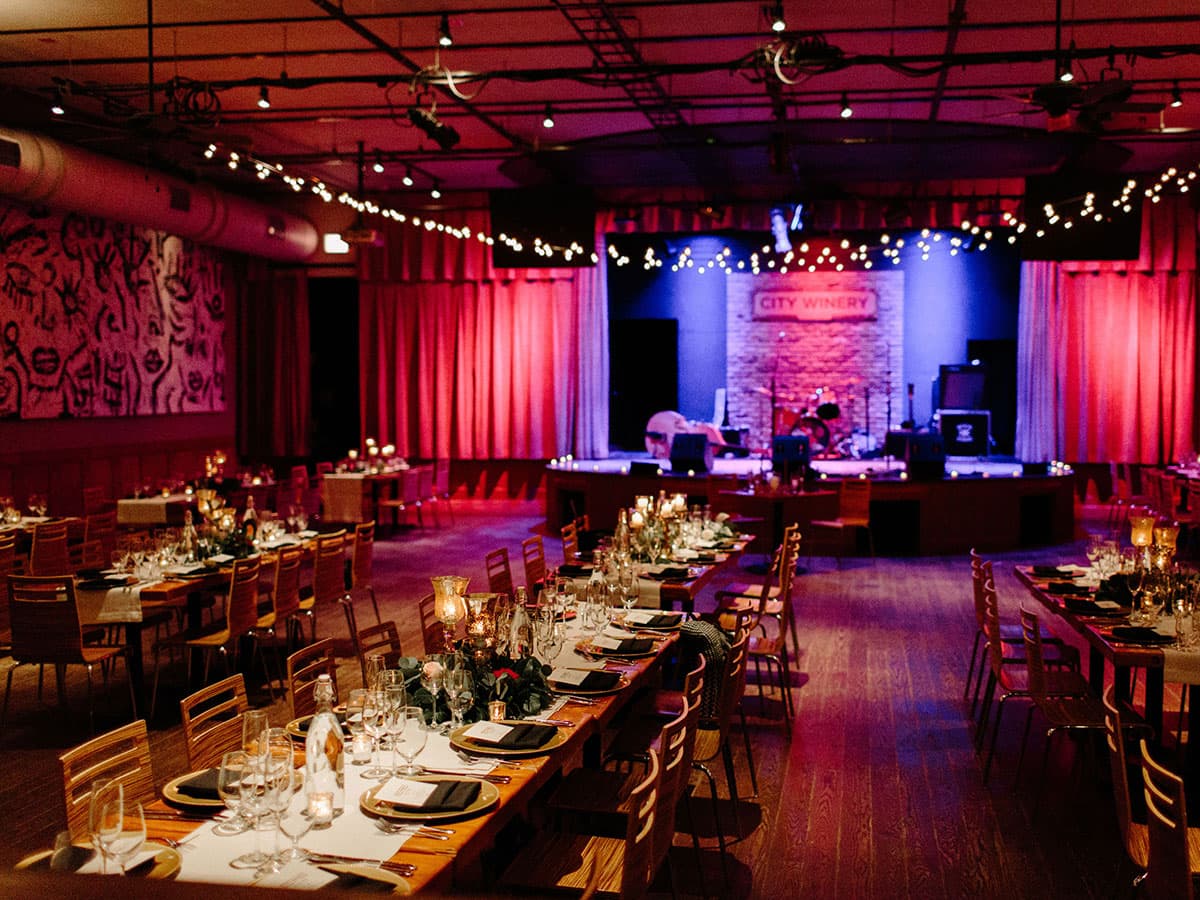
City Winery, the urban culinary-and-music platform founded by Michael Dorf, has built a category of room that did not exist before it — a Sopris Special Situations holding.
The American live-music room, as an architectural type, has been settled for half a century. There is the standing-room rock club, the seated theater, the arena, the festival field. Each has its conventions and each has its clientele. The category City Winery has built sits between them and, in a strict sense, did not exist before the company opened its first room in lower Manhattan in 2008.
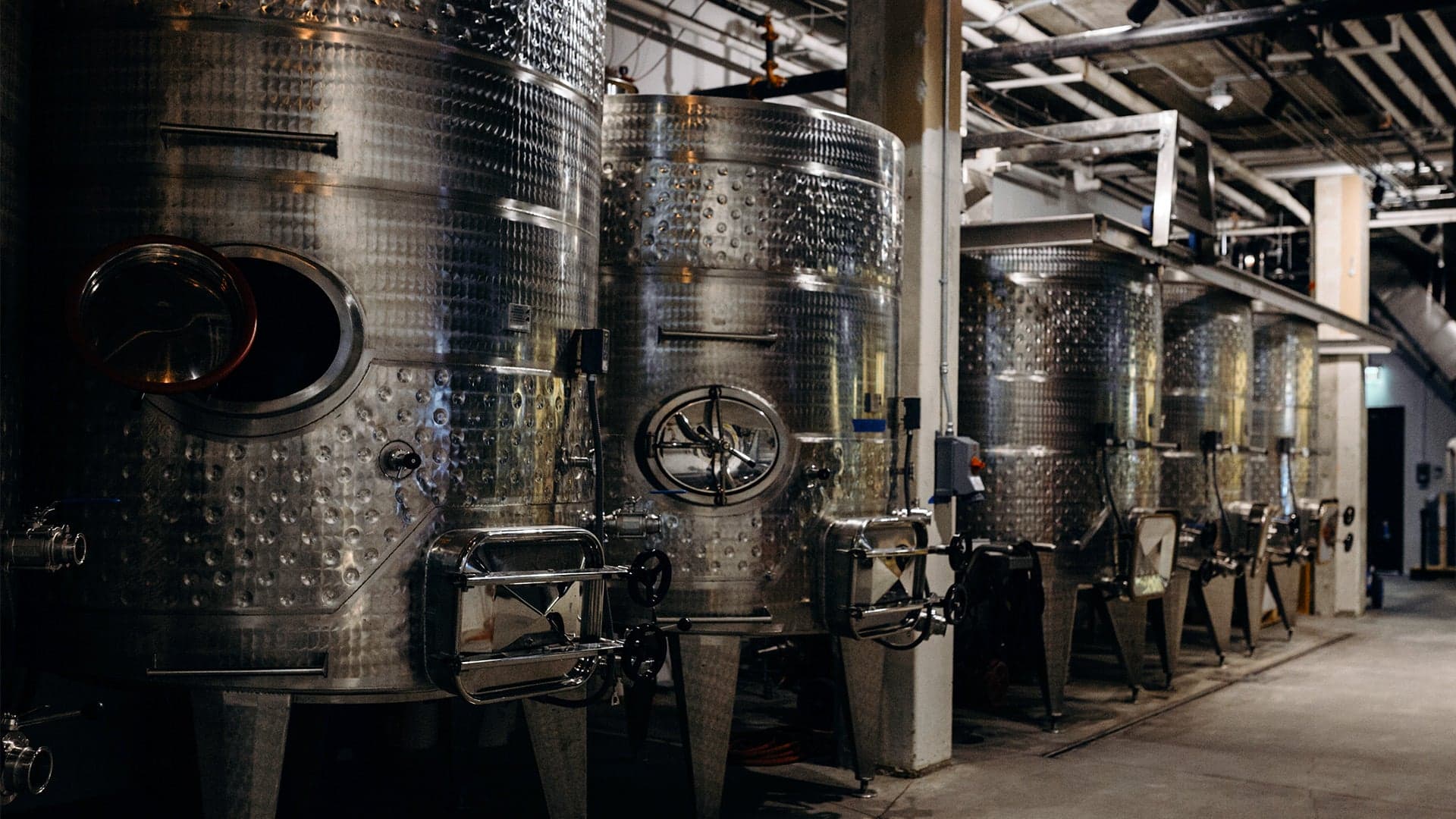
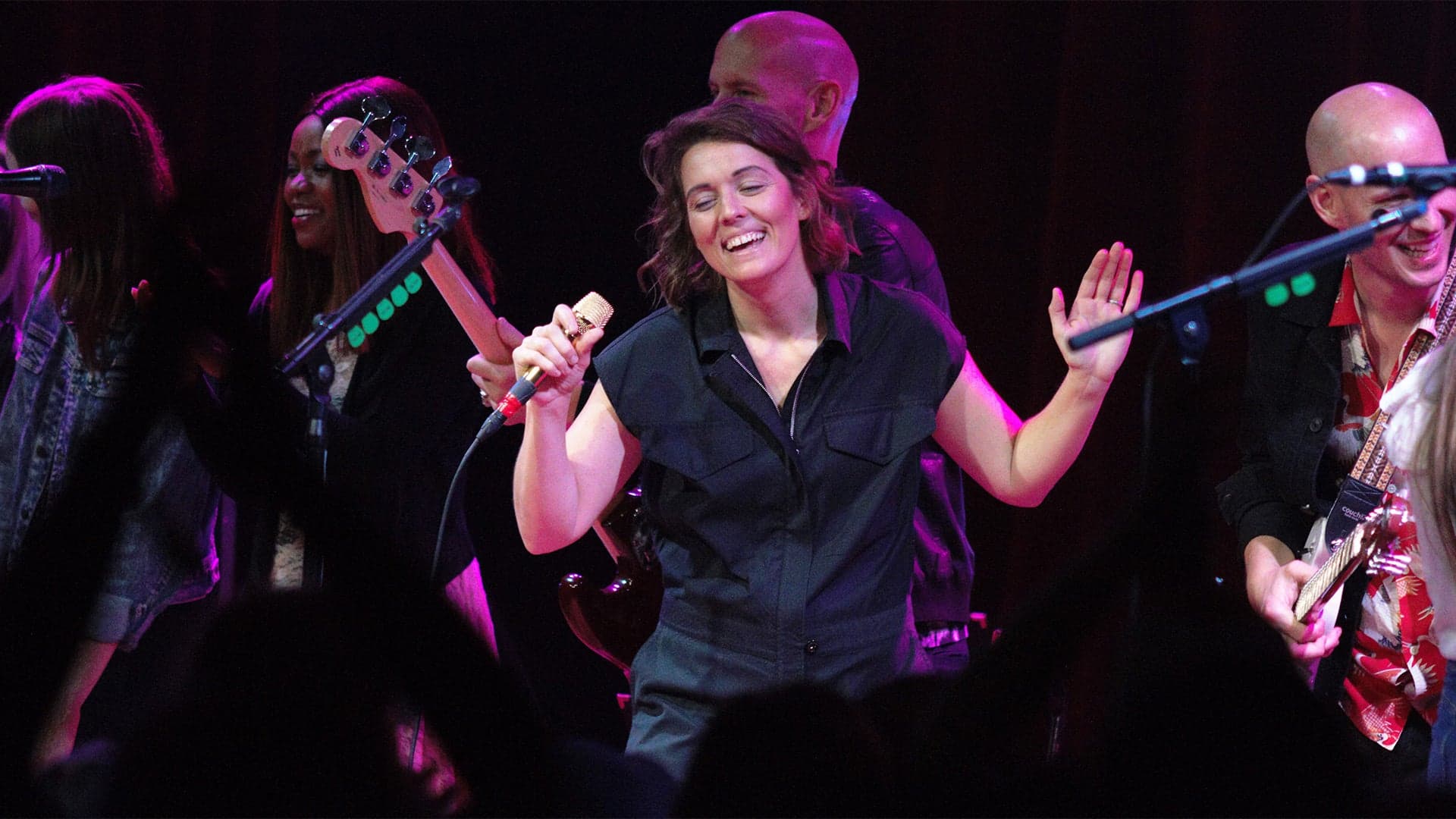
The format is straightforward to describe and unusually hard to reproduce. The room is built around a working winery — fermentation tanks visible, the wine made on the premises and bottled for the venue’s list — and the room is also a small theater, seated, table-service, with a national touring calendar of singer-songwriters, jazz musicians, Americana acts, and the occasional legacy headliner playing intimate dates. Dinner is served before the show. Wine is served during it. The artist is paid a working fee against the ticketed gate, which is structurally lower than the gate at a comparable arena run but structurally higher than the gate at a comparable club run.
The founder, Michael Dorf, ran the Knitting Factory in Tribeca for the first chapter of his operating life. The Knitting Factory was a working downtown jazz-and-experimental room of a kind New York no longer reliably builds. City Winery, in his second chapter, is the institutional answer to the question of what an artist-respecting, audience-respecting, financially-durable room looks like as it expands beyond a single city.
The answer has scaled into a national platform with venues across major metropolitan markets including New York, Chicago, Nashville, Atlanta, Boston, Philadelphia, Washington D.C., and others. Each room is large enough to support a meaningful national touring economy and small enough to preserve the seated-audience, conversation-permitting, wine-and-food intimacy that defined the original.
The Sopris position sits inside the Special Situations book. The strategy is comfortable with companies of City Winery’s category because the category is, by its construction, hard to disrupt and harder still to replicate. A wine program, a kitchen, a working theater, a national booking operation, and a real-estate footprint in expensive urban submarkets — taken together — is a moat. The economics are operating economics, not platform economics, which is the strategy’s preferred shape.
Live music does not, in the long run, get streamed. It gets attended.
Dinner is served before the show. Wine is served during it. The artist is paid a working fee against the ticketed gate.Sopris Editorial